
What Crows Know
notes on a tattoo, a mother, and the loss of grief

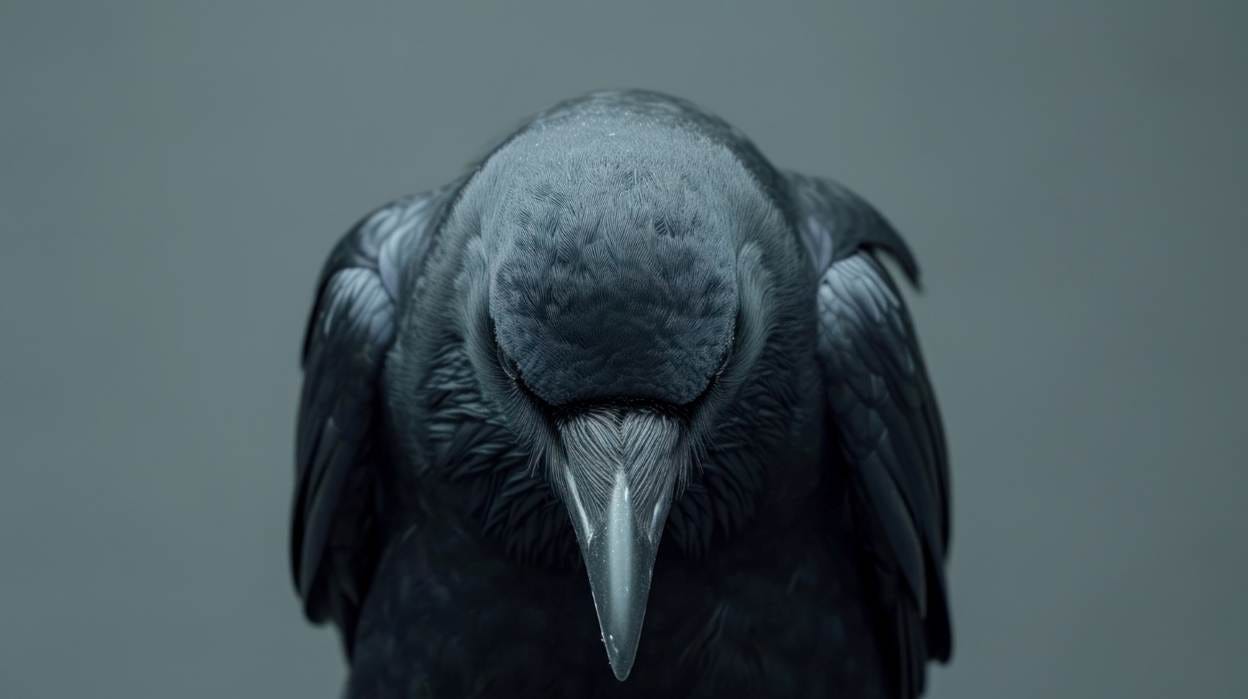
(image credit: Irina Kryvasheina)
One of the sadder moments of my mother’s long death to Alzheimer’s was when she came to peace with it, a strange dividend of the disease.
As she eventually forgot that she was forgetting, she couldn’t know what she was losing. Although she was less anxious than she’d ever been, the collateral of her lost sense of loss was the extinction of her grief.
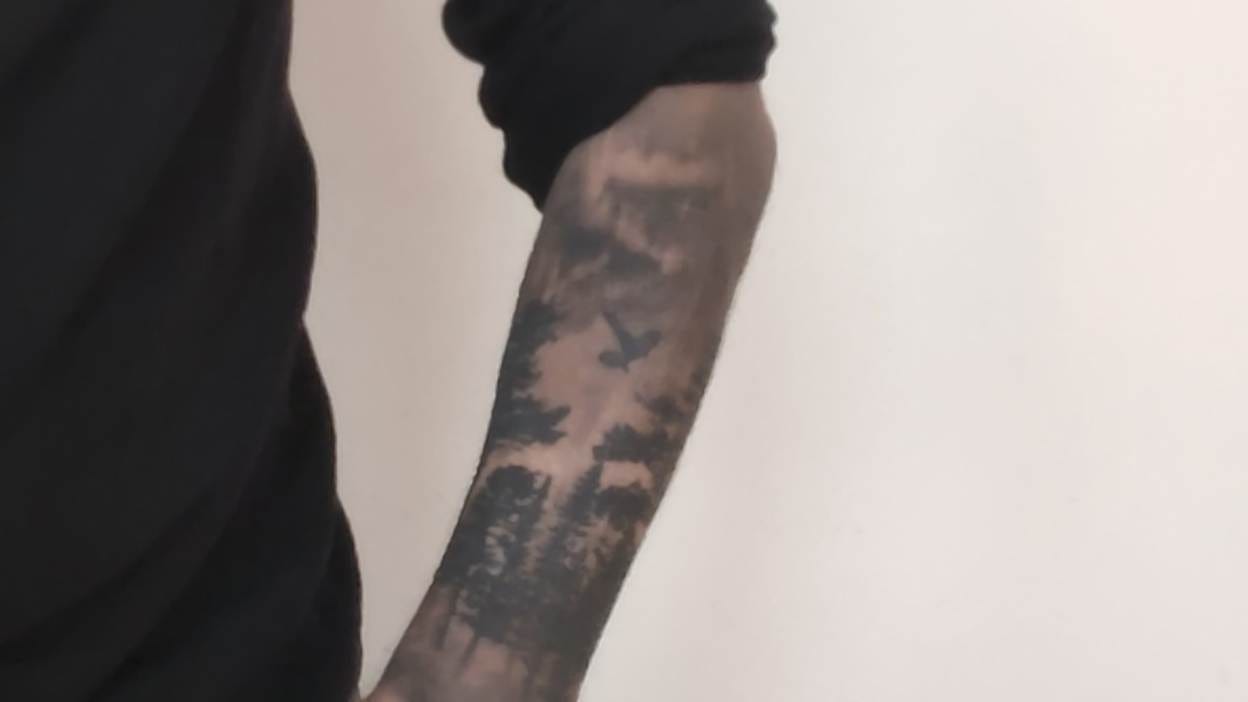
Not knowing what else to do with this, I decided to get a new tattoo. A dark forest scene on my left forearm. Scraggly pines. Wispy clouds. The moon.
And crows.
Swirling in flight and perched on branches.
An atmospheric tattoo. Dark naturalism. A scene. It has no definite meaning. It isn’t my mother. Or death. It isn’t a specific, recollected place. It’s a gathering of senses and moods from places I’ve known, exterior and interior.
But it had to have crows.
At the time, I couldn’t say why, at least not exactly. Maybe you know what I’m talking about—grief leading you to do or connect to something you didn’t understand until later.
My mother loved birds. She collected bird tchotchkes. They were everywhere in the house. Only bright, colorful little birds.
No crows.
Nor had I ever had a thing for crows. Their meaning (for me) didn’t precede the tattoo, but proceeded from it, as if taking flight from it.
Their meaning landed while reading Thom Van Dooren’s books about extinction and ethics—Flightways and In the Wake of Crows. I learned from Van Dooren that crows are not only considered one of the most intelligent bird species but also among the most cognitively and emotionally complex social animals in general.
Sometimes described as “feathered apes,” crows are so clever that some have learned how to use traffic lights and cars to crack nuts. If they drop their nuts at an intersection during a red light, they know that cars moving from the other direction will run them over and break them open, after which they can quickly and carefully collect the nut meat.
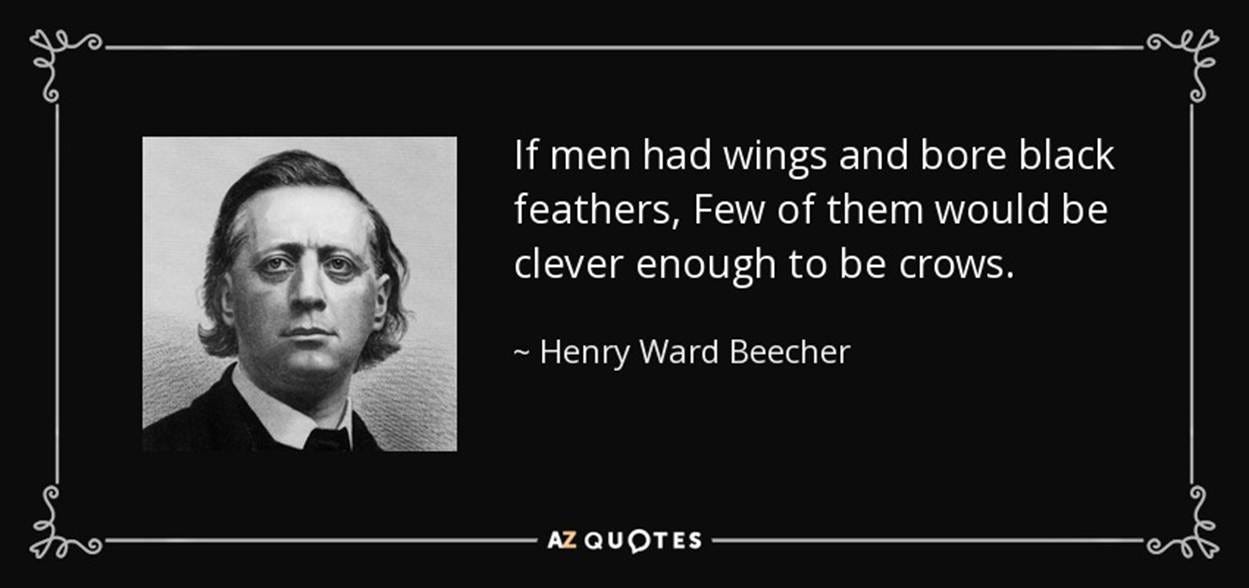
The famous American abolitionist preacher, Henry Ward Beecher (1813-1887), once exclaimed that “If men had wings and bore black feathers, few of them would be clever enough to be crows.”
I knew none of this about crows before my tattoo.
I didn’t know that crows have a sense of time and can imagine the future, nor that they have a theory of mind, which we know because of how much time they spend stealing and protecting their food from other crows. Crows hide their food because they can attribute mental states to other crows: knowing that they themselves are thieves, they carefully hide their own food stashes, vigilantly making sure other crows aren’t watching.
Crows know what it’s like to be a crow.
The intelligence, empathy, sociality, and time awareness of crows appear in many behaviors, including mourning. Crows have often been observed observing another crow’s death. Gathering around a dead or dying crow. Touching it. Crying out. Leaving and returning.
Crows grieve. Not like humans. But like crows.
For most of human history, we have thought we, as a species, were alone in our grief. We have believed a story that death-awareness was a mark of our difference, something that set us apart and even made us superior.
That story built a world, a world of species separatism in which we existed, death-aware, on one side, and everything else, death-innocent, stood on the other. We grieve. Others don’t.
But this story is dying as evidence accumulates that other animals besides humans grieve. Orcas carry their dead on their backs. Elephants mourn. Crows grieve.
Not as humans mourn and grieve. But as they do. Like human animals, other animals have a sense of shared life with one another. They know something about what it means to be invested in others’ lives, to care and be cared for.
Other animals have evolved different patterns of care and belonging, different modes of togetherness in life and death—as Van Dooren puts it, other ways of “being at stake” in one another’s lives.
That crows grieve, but differently from humans or elephants, is important. It’s Van Dooren’s point. When a crow species, such as the Hawaiian Crow (Corvus hawaiiensis), becomes threatened or extinct, we lose more than the crows.
We lose their way of grieving, their ways of sharing the world.
So, what is lost with the loss of a crow species is not only the species, but also a whole history of mourning.
The world becomes less shared.
We grieve. Crows grieve. But grief itself, as a capacity and practice of care, as an evolved and varied way of belonging in the world, is also something that can be lost.
What we must learn to mourn, then, alongside everything else, is the diminishment of mourning itself.
A world with fewer creatures who can grieve is not only a world of fewer creatures. It’s a world losing the ability to feel what is being lost. A world losing the ability to grieve. A world in which we, as grievers, become a little more alone.
The sorrow of this returns me to my tattoo.
My mother’s peace was bittersweet for me because, in forgetting that she was forgetting, she no longer knew, or felt, what she was losing. Not only was I losing her, but I was losing the company of her grief.
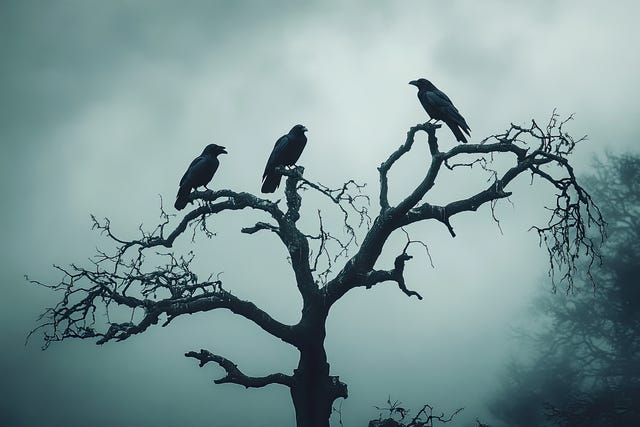
This is the meaning, I’ve decided, of the crows in my tattoo. They are not totems of death. They are companions in grief.
Among the many things we should grieve in our world, we must learn to grieve the diminishment of grief.
A world with less grief is a world less felt, a world with less care in it.
Mourning is not one thing. It has evolved—in crows, elephants, us—into distinct, irreplaceable ways of marking what matters. The world’s forms of grief are as varied as its forms of life, and nearly as endangered.
What might it mean to grieve not only the extinction of species but the extinction of ways of grieving? How might we make the world more habitable, more fully shared, by making it a safer habitat for grief?
I’d like to know: have you witnessed animals grieving? And has it changed how you understand your own?
PS: I just launched a website! Michael.S.Hogue
Oh goodness yes. I watched this with my maternal grandmother. The saddest days were the days when she remembered just enough to sense the shape of all she had lost. At the time, I thought, I mourned her twice - when she died, but also when she had lost her essential self. Thinking of that time as the time when we lost that shared grief experience is also powerful.
I got my latest tattoo two days before my mother's funeral, in November 2025. There's probably a book in these things, honestly. Thank you for sharing the story of yours, as you understand it now. (Experience has shown me they shift, with me, over time.)
A murder of crows flies past my window every morning without fail, and I have found myself attracted to these dramatic birds too. Thank you for giving voice to why they are such powerful message bearers to us. And, hey, great tattoo!